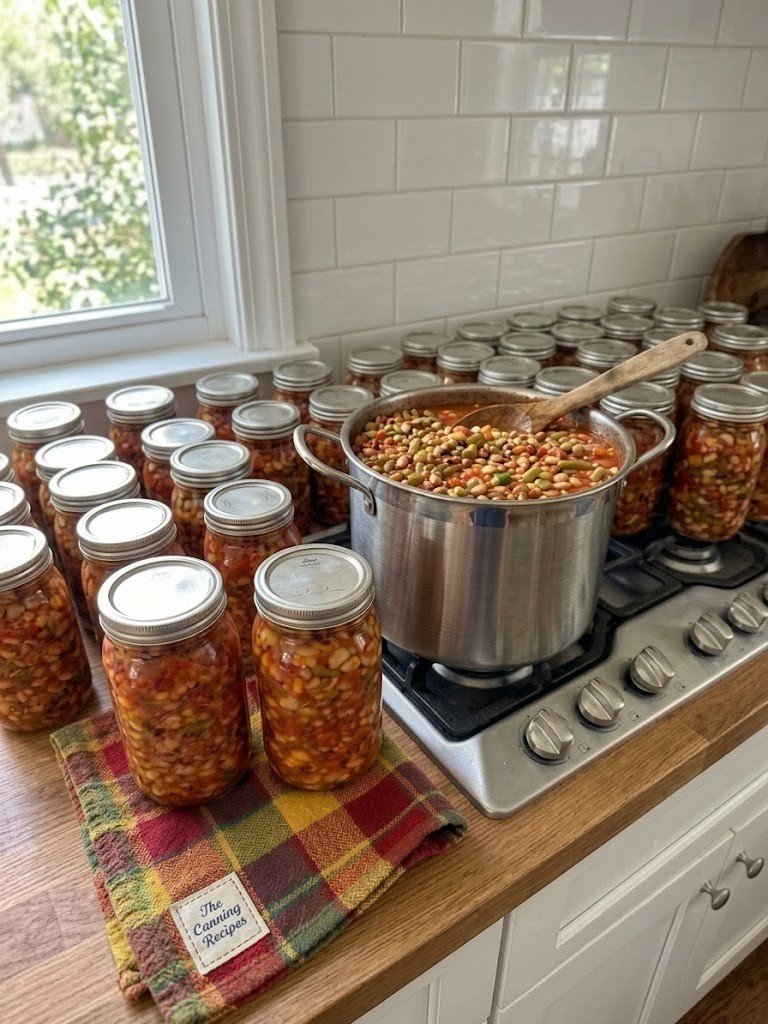
Preparation Time: 10 minutes
Cooking Time: 20 minutes
Total Time: 30 minutes
Difficulty Level (Intensity): Easy (2/5)
This recipe requires minimal cooking skills. It mainly involves chopping, sautéing, and simmering. It is beginner-friendly and does not require special equipment.
Cooking Intensity Explanation:
- 1/5: No cooking required
- 2/5: Light stove cooking (this recipe)
- 3/5: Moderate cooking with multiple steps
- 4/5: Advanced techniques or timing precision
- 5/5: Professional-level complexity
Ingredients
This recipe serves 4 people.
- 2 cans mixed vegetables (corn, carrots, peas, green beans)
- 1 medium onion, finely chopped
- 2 cloves garlic, minced
- 2 tablespoons vegetable oil or butter
- 1 medium tomato, chopped (optional but recommended for freshness)
- 1 teaspoon salt (adjust to taste)
- 1/2 teaspoon black pepper
- 1/2 teaspoon paprika or red chili powder (optional for heat)
- 1/2 teaspoon dried oregano or mixed herbs
- 1 tablespoon soy sauce or Worcestershire sauce (optional for depth)
- 1/2 cup water or vegetable broth
- Fresh parsley or coriander for garnish
Equipment Needed
- Medium saucepan or frying pan
- Knife and chopping board
- Wooden spoon or spatula
- Strainer (to drain canned vegetables)
- Measuring spoons
Preparation Steps
Step 1: Prepare the Vegetables (5 minutes)
Open the canned vegetables and pour them into a strainer. Rinse under cold water to remove excess salt and preservatives. Let them drain completely. This step improves flavor and texture.
While the vegetables drain, chop the onion, garlic, and tomato. Keeping the cuts small ensures even cooking and better flavor absorption.
Step 2: Heat the Base (3 minutes)
Place a medium pan on the stove and set the heat to medium (Intensity Level 2–3/5). Add oil or butter and allow it to heat until slightly shimmering. Do not overheat, as butter can burn quickly.
Add chopped onions and sauté until they become soft and translucent. This usually takes about 2–3 minutes. Stir continuously to avoid browning.
Step 3: Build Flavor (5 minutes)
Add minced garlic to the onions and stir for 30–60 seconds until fragrant. Be careful not to burn it, as garlic turns bitter quickly.
Add chopped tomatoes (if using) and cook until they soften and break down into a light sauce base. This step helps create a richer flavor profile.
At this stage, sprinkle in salt, pepper, paprika, and dried herbs. Stir well to combine all spices evenly.
Step 4: Add the Vegetables (7–10 minutes)
Add the drained canned vegetables into the pan. Mix thoroughly so they are coated with the sautéed onion and spice mixture.
Pour in half a cup of water or vegetable broth. This helps create a light sauce and prevents dryness. Stir gently to avoid breaking the vegetables too much.
Cover the pan and reduce heat to low-medium. Allow the mixture to simmer for 7–10 minutes. Stir occasionally.
Step 5: Final Flavor Adjustment (3 minutes)
Remove the lid and check consistency. If the mixture looks too watery, increase heat slightly and cook uncovered for a few minutes.
Add soy sauce or Worcestershire sauce if desired. This gives a deeper umami flavor and enhances the canned vegetable taste.
Taste and adjust salt or spices according to preference.
Step 6: Garnish and Serve (2 minutes)
Turn off the heat and sprinkle freshly chopped parsley or coriander on top. This adds freshness and color contrast.
Serve hot as a side dish or light vegetarian main course.
Serving Suggestions
- Serve with steamed rice or boiled potatoes for a complete meal
- Pair with flatbread or naan for a simple lunch
- Use as a filling for wraps or sandwiches
- Add a fried egg on top for extra protein
- Combine with pasta for a quick vegetable pasta dish
Variations
Spicy Version
Add chopped green chilies or extra chili powder during cooking. You can also include a pinch of crushed red pepper flakes.
Creamy Version
Add 2–3 tablespoons of cream or yogurt at the end of cooking for a richer texture.
Protein Boost
Add cooked chickpeas, lentils, or shredded chicken to turn it into a more filling meal.
Low-Sodium Version
Use low-salt canned vegetables and skip soy sauce. Increase herbs and spices for flavor compensation.
Cooking Tips
- Always rinse canned vegetables to reduce sodium content
- Do not overcook after adding vegetables; they are already pre-cooked
- Balance acidity with a pinch of sugar if tomatoes taste too sharp
- Keep heat moderate to preserve texture
- Fresh herbs added at the end make a big difference in flavor
Nutrition Information (Per Serving)
Approximate values based on standard canned mixed vegetables and oil:
- Calories: 120–160 kcal
- Protein: 3–5 g
- Fat: 6–8 g
- Carbohydrates: 15–20 g
- Fiber: 4–6 g
- Sodium: 400–700 mg (varies by brand)
- Sugar: 3–6 g