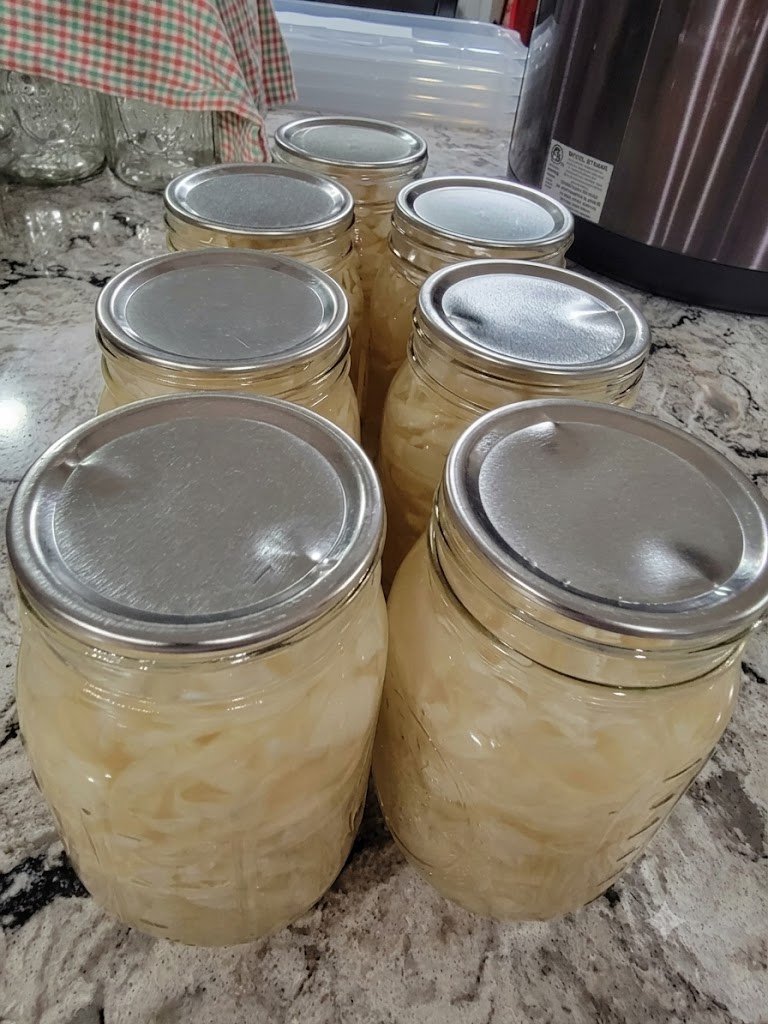
- Preparation time: 25–35 minutes
- Active work time: 20 minutes
- Fermentation time: 7–21 days (depending on temperature and taste preference)
- Total time until ready: ~7 to 21 days
Intensity Levels
- Preparation difficulty: Easy
- Physical effort intensity: Low to moderate (requires kneading cabbage to release juice)
- Fermentation control intensity: Medium (requires monitoring temperature and taste during fermentation)
- Skill level required: Beginner-friendly
Ingredients
- 1 medium head of Cabbage (about 1–1.5 kg), green or white cabbage preferred
- 1.5 to 2 tablespoons Salt (non-iodized, coarse salt recommended)
- Optional flavor additions:
- 2–3 cloves garlic, sliced
- 1 teaspoon caraway seeds
- 1 small carrot, grated
- 1–2 bay leaves
Equipment Needed
- Large mixing bowl
- Sharp knife or mandoline slicer
- Clean glass jar or fermentation crock
- Wooden spoon or fermentation pounder
- Clean cloth or loose lid for covering
- Weight (small jar or fermentation weight)
Step-by-Step Instructions
Step 1: Prepare the Cabbage (10–15 minutes)
Remove the outer leaves of the cabbage if damaged or wilted. Cut the cabbage into quarters and remove the core. Slice the cabbage into very thin strips using a knife or mandoline.
Thin slicing is important because it increases surface area, allowing salt to draw out moisture efficiently and supporting proper fermentation.
Step 2: Add Salt and Massage (10–15 minutes)
Place the shredded cabbage into a large bowl. Sprinkle the salt evenly over it. Begin massaging and squeezing the cabbage firmly with your hands.
At first, the cabbage will feel dry and rigid. After several minutes, it will begin to soften and release water. Continue massaging until a brine forms and the cabbage volume reduces significantly. This step is essential for creating the natural liquid that will preserve the cabbage.
If using optional ingredients like garlic, carrots, or spices, mix them in during this stage.
Step 3: Pack the Jar (10 minutes)
Transfer the salted cabbage into a clean glass jar or fermentation crock. Pack it tightly using your fist or a wooden spoon. The goal is to remove air pockets and ensure the cabbage is fully submerged in its own brine.
Pour any remaining liquid from the bowl into the jar. The cabbage must remain completely covered by brine to prevent mold growth.
Place a weight on top to keep the cabbage submerged. Cover the jar with a cloth or loosely fitted lid to allow gases to escape during fermentation.
Step 4: Fermentation Stage (7–21 days)
Store the jar in a cool, dark place at a temperature between 18°C and 24°C. This is the ideal fermentation range for natural lactic acid bacteria activity, particularly Lactic Acid Fermentation.
Daily or every-other-day checks:
- Press the cabbage down to keep it submerged
- Check for bubbles (a normal sign of fermentation)
- Skim any surface foam if needed
- Taste after day 5–7
The flavor will evolve:
- Day 1–3: salty, raw cabbage taste
- Day 4–7: lightly sour, beginning fermentation
- Day 8–14: balanced tanginess
- Day 15–21: strong, traditional sauerkraut flavor
Step 5: Stopping Fermentation and Storage
Once the sauerkraut reaches your preferred sourness, move it to the refrigerator. Cold storage slows fermentation significantly and preserves flavor and crunch.
Properly stored sauerkraut can last several months.
Tips for Best Results
- Always use non-iodized salt; iodine can interfere with fermentation.
- Keep everything clean to avoid unwanted bacteria.
- Ensure cabbage is always submerged under brine.
- If the brine level drops, you can add a small amount of salted water (1 teaspoon salt per cup of water).
- Do not seal the jar airtight during active fermentation; gases must escape.
Variations
Spicy Sauerkraut
Add chili flakes or sliced green chilies for heat.
Sweet-Sour Version
Add grated apple or a pinch of sugar to balance acidity.
Herbal Sauerkraut
Add dill, mustard seeds, or coriander seeds for aromatic flavor.
Troubleshooting
Problem: Mold on surface
- Likely caused by cabbage exposed to air
- Remove affected layer immediately and ensure better submersion
Problem: Too salty
- Use less salt next time or rinse lightly before eating
Problem: No fermentation activity
- Temperature may be too low
- Move jar to a slightly warmer place
Problem: Soft texture
- Over-fermentation or too warm environment
- Reduce fermentation time in future batches
Nutrition Information (per 100g)
- Calories: ~19 kcal
- Carbohydrates: 4.3 g
- Protein: 0.9 g
- Fat: 0.1 g
- Fiber: 2.9 g
- Sodium: varies depending on salt used
- Vitamin C: ~15–20 mg
- Vitamin K: ~13–17 mcg