| Prep Time | 10 minutes | Slicing the watermelon, removing rinds, and cubing. |
| Blend Time | 2 minutes | Pureeing the fruit to a completely smooth consistency. |
| Strain Time | 3 minutes | Filtering out pulp and seeds for a silky-smooth texture. |
| Total Time | 15 minutes | From whole fruit to ready-to-serve glasses. |
| Yield | 4 servings | Approximately 4 cups (960 ml) of finished juice. |
Equipment Needed
Having the right tools on hand ensures a smooth, mess-free process.
-
Chef’s Knife: A large, sharp knife for cutting through thick watermelon rinds safely.
-
Cutting Board: A large, sturdy cutting board with a juice groove to catch stray liquids.
-
High-Speed Blender: To break down the fibrous flesh completely.
-
Fine-Mesh Strainer: Essential for achieving a clean, pulp-free juice (optional if you prefer rustic, pulpy juice).
-
Large Mixing Bowl or Pitcher: To catch the strained juice.
-
Glassware: Mason jars or tall glasses for serving.
Ingredients
To achieve the absolute best flavor, ingredient selection is key. Because this recipe features very few ingredients, the quality of your fruit dictates the quality of the final product.
-
Watermelon: 1 medium-sized whole watermelon (roughly 5 to 6 pounds), yielding about 6 cups of cubed fruit. Look for a melon that feels heavy for its size, has a deep yellow or creamy field spot (indicating it ripened on the vine), and sounds hollow when tapped.
-
Fresh Mint Leaves: 4 to 6 sprigs (optional, for an aromatic garnish and subtle herbal undertone).
-
Fresh Lime Juice: 1 to 2 tablespoons (optional, to add a bright, zesty acidic kick that enhances the natural sweetness).
-
A Pinch of Sea Salt: Just a tiny pinch (optional, to amplify the natural flavor profile and provide a touch of electrolyte balance).
Step-by-Step Instructions
Step 1: Select and Wash the Watermelon
Always start by washing the exterior of your watermelon thoroughly under cold running water. Even though you discard the rind, a clean surface prevents any surface bacteria or dirt from transferring to the knife blade and contaminating the edible flesh as you slice.
Step 2: Slice and Cube the Fruit
Place the washed watermelon securely on your cutting board. Using a sharp chef’s knife, cut the melon in half across the middle, then cut each half into manageable quarters or thick rounds. Slice away the green outer rind and white pith, discarding them. Cut the vibrant red flesh into medium-sized cubes (roughly 1 to 2 inches in size).
Pro-Tip: While you do not need to meticulously pick out every single black seed by hand (your strainer will catch them), removing any large dark seeds you easily spot will make the straining process even quicker and cleaner.
Step 3: Blend to Perfection
Transfer the cubed watermelon into the pitcher of your blender. If you are using optional flavor enhancers such as fresh lime juice or a hint of mint leaves, add them right into the blender jar now. Secure the lid tightly.
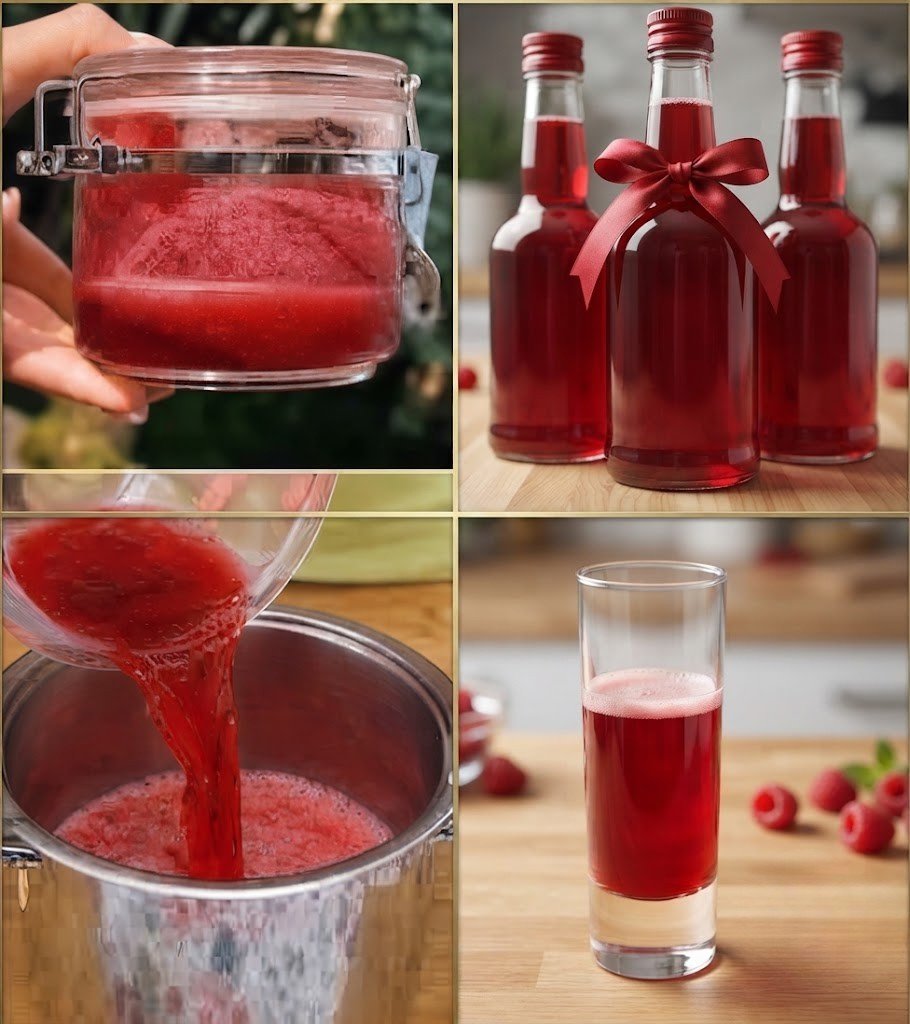
Start the blender on a low speed to help break down the chunks, then quickly ramp it up to high speed. Blend continuously for 45 to 60 seconds until the mixture is completely liquefied, frothy, and uniform.
Step 4: Strain for a Silky Texture
While you can drink watermelon juice immediately with the pulp included, straining it creates a luxurious, restaurant-quality mouthfeel.
Place a large fine-mesh strainer over a deep pitcher or mixing bowl. Pour the blended watermelon mixture through the strainer in batches. Use the back of a spoon or a silicone spatula to gently press down on the leftover pulp and fibrous material, extracting every last drop of precious liquid. Discard the leftover pulp (or save it to mix into oatmeal or compost).
Step 5: Chill and Serve
For the ultimate refreshment, place the strained juice in the refrigerator for 30 minutes to chill thoroughly. Stir well before serving, as natural separation can occur. Pour the chilled watermelon juice over tall glasses filled with crushed ice. Garnish with a fresh sprig of mint or a thin wheel of lime on the rim of the glass.
Chef’s Pro-Tips for Success
-
Sweetness Adjustments: Watermelon naturally varies in sweetness depending on the season and ripeness. If your watermelon tastes a bit bland or underwhelming, stir in a teaspoon of raw honey, agave nectar, or simple syrup to elevate the flavor profile.
-
Zero Waste Idea: Do not throw away the watermelon rinds! The white inner portion can be pickled or trimmed and diced into stir-fries for a crunchy, eco-friendly addition to your meal prep.
-
Frozen Melon Cubes: If you want to avoid diluting your juice with melting ice cubes, freeze a portion of your watermelon cubes ahead of time and drop those frozen cubes into your glass instead.
Storage and Shelf Life
Homemade fresh juice is always best enjoyed immediately after preparation when nutrient levels and vibrant flavors are at their peak. However, you can store leftover juice safely:
-
Refrigerator: Pour the juice into an airtight glass jar or bottle with a tight-fitting lid. Store it in the coldest part of your refrigerator for up to 3 days. Shake or stir well before drinking, as natural settling will occur.
-
Freezer: You can freeze watermelon juice in silicone ice cube trays or freezer-safe containers for up to 2 months. Thaw overnight in the refrigerator for a quick taste of summer during the colder months.
Nutritional Information
Note: Nutritional values are estimated per serving (1 cup / 240 ml), based on pure watermelon without added sugars or sweeteners.
-
Calories: 46 kcal
-
Total Carbohydrates: 11.5 g
-
Dietary Fiber: 0.6 g
-
Sugars: 9.4 g
-
Total Fat: 0.2 g
-
Protein: 0.9 g
-
Vitamin C: 23% of the Daily Value (DV)
-
Vitamin A: 11% of the DV
-
Potassium: 170 mg
-
Lycopene: ~4,500 mcg