Prep time: 20 minutes
Cook time: 30 minutes
Total time: 50 minutes (plus cooling time)
Servings: Yields about 4 half-pint jars (approx. 24 servings)
Intensity: Moderate / Intermediate
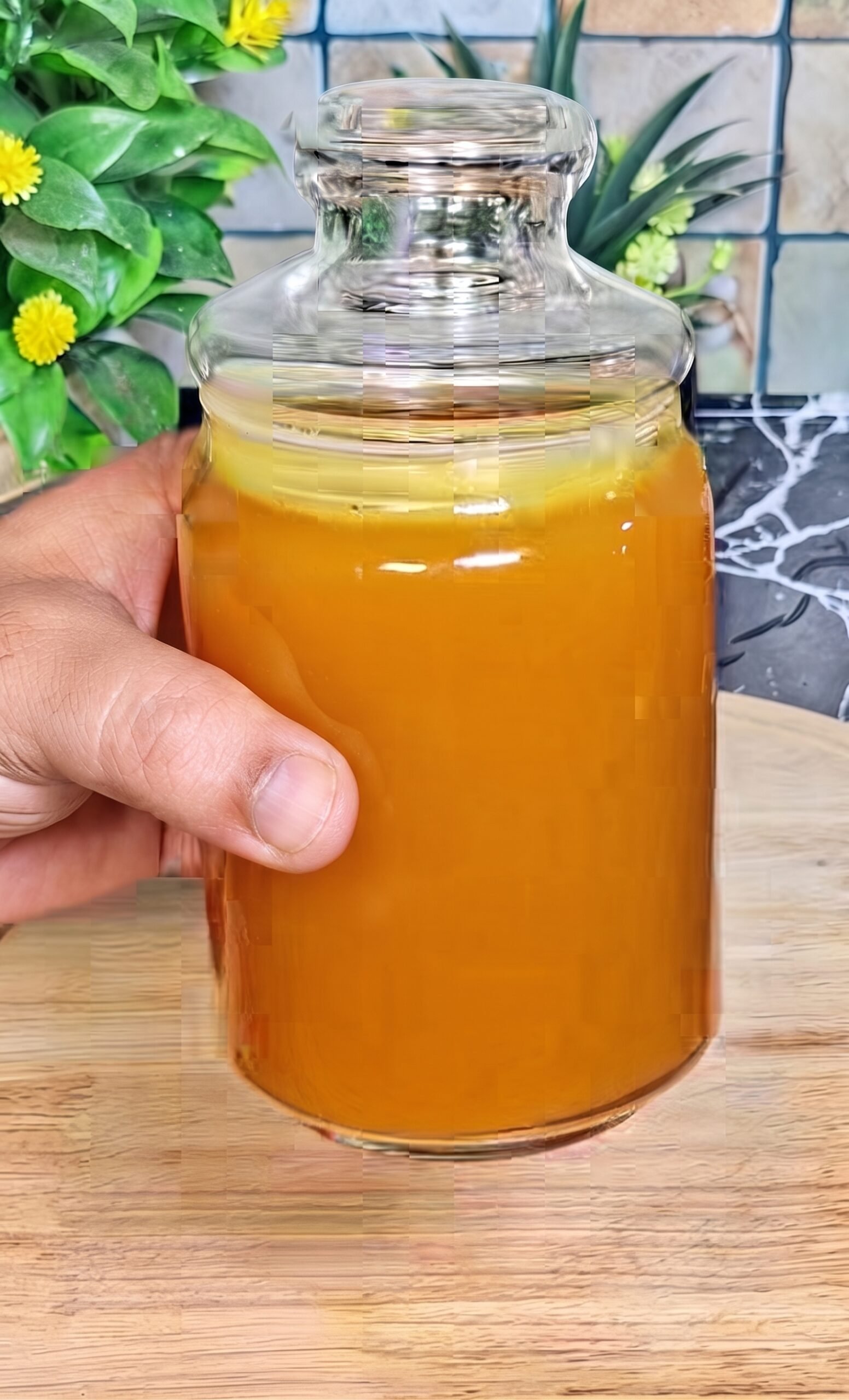
There is something deeply satisfying about capturing the fleeting, sun-drenched sweetness of summer fruit in a simple glass jar. This Homemade Apricot Jam celebrates the bright, floral, and naturally tart flavor of fresh apricots with a perfectly balanced sweetness that store-bought varieties simply cannot match. Made with just a handful of wholesome ingredients—fresh ripe apricots, pure cane sugar, fresh lemon juice, and a touch of natural fruit pectin—this artisanal recipe brings a taste of sunshine straight to your breakfast table.
Whether slathered generously over warm, buttered sourdough toast, swirled into morning Greek yogurt, or served alongside a rustic cheese board, this vibrant golden jam is an absolute kitchen triumph. Best of all, making your own jam at home is surprisingly straightforward, filling your kitchen with an incredible, comforting aroma that will make you feel like a master preserver.
Why You Will Love This Recipe
-
Pure, Natural Flavor: Free from artificial colorings, preservatives, or high-fructose corn syrup—just real, honest fruit.
-
Perfect Balance: The natural tartness of fresh apricots paired with bright lemon juice cuts through the sweetness for a sophisticated flavor profile.
-
Versatile Use: Incredible on morning pastries, as a glaze for pork or chicken, or paired with sharp aged cheeses.
-
Freezer or Canning Friendly: Can be processed for long-term shelf stability or stored easily in the refrigerator and freezer.
Equipment Needed
-
Heavy-bottomed large pot or Dutch oven
-
Wooden spoon or heat-resistant spatula
-
Potato masher or immersion blender (optional, for smoother texture)
-
Canning jars with fresh lids and bands (if processing for shelf-stability)
-
Water bath canner (optional)
-
Ladle and funnel
Ingredients
The Core Ingredients
-
3 lbs fresh apricots, ripe yet still slightly firm, washed, pitted, and chopped into bite-sized pieces (leave skins on for natural pectin and texture)
-
3 cups granulated sugar (cane sugar preferred for clean sweetness)
-
1/4 cup fresh lemon juice (provides essential acidity to activate pectin and balance flavors)
-
1/2 teaspoon unsalted butter (optional; a tiny dab prevents foaming while boiling)
-
1 packet (1.75 oz) powdered fruit pectin (or follow specific box instructions if using liquid pectin)
Step-by-Step Instructions
Step 1: Prep and Macerate the Fruit
-
Wash your fresh apricots thoroughly under cold water. Cut each apricot in half, remove and discard the pits, and chop the flesh into quarters or small chunks. If you prefer a smoother jam, you can chop them finer.
-
Place the chopped apricots into a large, heavy-bottomed Dutch oven or preserving pot.
-
Pour the fresh lemon juice and granulated sugar directly over the fruit. Stir well to combine.
-
Let the mixture sit at room temperature for 30 to 45 minutes. This maceration process draws out the natural juices of the apricots and helps break down the fruit before cooking.
Step 2: Bring to a Boil and Cook the Fruit
-
Place the pot over medium-high heat. Stir continuously until the sugar is completely dissolved and the juices begin to bubble.
-
Stir in the unsalted butter to reduce any surface foam.
-
Bring the mixture to a rolling boil—a boil that cannot be stirred down. Let it boil vigorously for 10 to 12 minutes, stirring frequently to prevent sticking or scorching at the bottom of the pot.
-
Use a potato masher or the back of your wooden spoon to gently mash the softened apricot pieces down to your desired consistency (leave some chunks for a rustic texture, or mash thoroughly for a smooth spread).
Step 3: Add Pectin and Thicken
-
If using powdered pectin, whisk it in slowly during the rolling boil phase (or follow the specific timing on your pectin brand packaging, as some require mixing a portion of sugar with pectin beforehand).
-
Continue to boil hard for an additional 1 minute, stirring constantly.
-
Remove the pot from the heat source. Skim off any remaining foam from the surface using a large metal spoon.
Step 4: The Cold Plate Test for Doneness
-
To test if your jam has reached the proper setting point, place a small plate in your freezer for 5 minutes prior to cooking.
-
Spoon a small dollop of hot jam onto the chilled plate and let it sit for 60 seconds. Push it gently with your finger; if the surface wrinkles slightly and the jam holds its shape without running like water, it is ready. If it is too runny, boil for another 2 minutes and test again.
Step 5: Jarring and Storage
-
Ladle the hot apricot jam carefully into clean, sterilized glass jars, leaving about a 1/4-inch of headspace at the top of each jar.
-
Wipe the rims of the jars clean with a damp paper towel to remove any sticky residue. Place the lids on top and screw the bands down fingertip-tight.
-
For Immediate/Refrigerator Use: Let the jars cool completely to room temperature on a kitchen towel, then transfer them to the refrigerator where they will keep fresh for up to 1 month.
-
For Long-Term Storage: Process the jars in a boiling water bath canner for 10 minutes, then remove and let cool undisturbed for 24 hours before checking the seals.
Chef’s Tips for Success
-
Choosing the Right Fruit: Avoid overripe, mushy fruit, as they lack the natural pectin needed to help the jam set properly. A mix of slightly firm and ripe apricots gives the best flavor and texture.
-
Customizing the Flavor: Feel free to stir in a pinch of warm cinnamon, a splash of vanilla extract, or a tablespoon of bourbon right at the end of cooking for a unique, gourmet twist.
-
Preventing Scorching: Apricot jam contains natural sugars that can burn easily. Keep the heat at medium and stir constantly, especially as the mixture thickens toward the end of the cooking process.
Nutrition Information
Serving size: 1 tablespoon (approx. 20g)
-
Calories: 45 kcal
-
Total Carbohydrates: 11.2 g
-
Dietary Fiber: 0.4 g
-
Sugars: 10.5 g
-
-
Protein: 0.1 g
-
Total Fat: 0.0 g
-
Saturated Fat: 0.0 g
-
-
Sodium: 1 mg