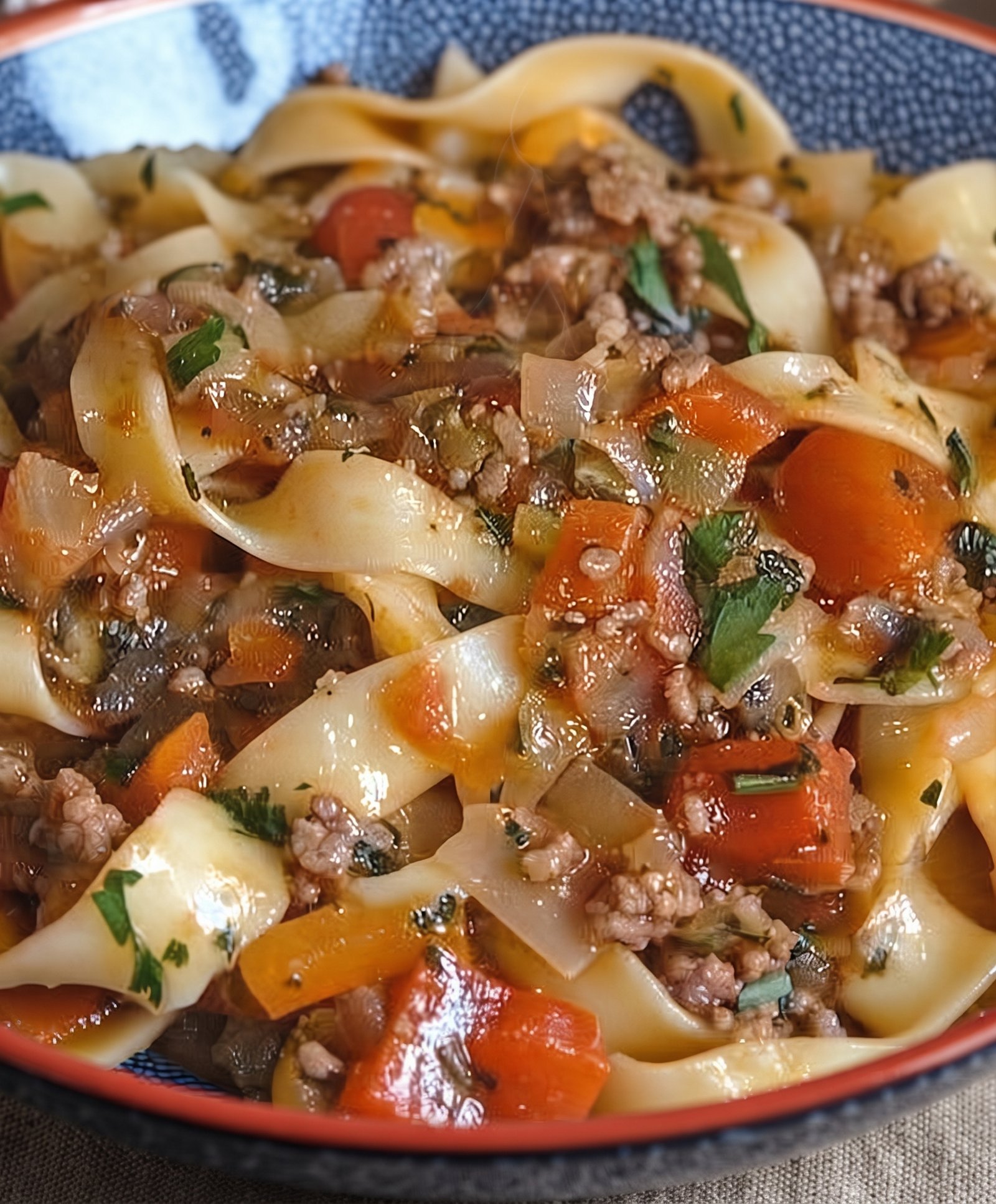
-
Prep time: 25 minutes
-
Cook time: 1 hour and 45 minutes (most of this is hands-off simmering)
-
Total time: 2 hours and 10 minutes
-
Servings: 4-6 generous portions
-
Difficulty: Intermediate (the technique is simple, but requires time)
Ingredients
For the Bolognese-Style Ragu:
-
2 tablespoons extra virgin olive oil
-
1 tablespoon unsalted butter
-
1 medium yellow onion, finely diced
-
1 large carrot, finely diced
-
2 celery stalks, finely diced
-
3 cloves garlic, minced
-
1/2 pound (8 oz) ground beef (85% or 90% lean)
-
1/2 pound (8 oz) ground pork
-
1/2 cup dry red wine (like a Chianti, Merlot, or Cabernet Sauvignon)
-
1 (28-ounce) can high-quality crushed tomatoes or San Marzano tomatoes, crushed by hand
-
1 tablespoon tomato paste
-
1 cup beef broth or chicken broth
-
1 teaspoon salt (or to taste)
-
1/2 teaspoon freshly ground black pepper
-
1/4 teaspoon freshly grated nutmeg (optional, but highly recommended)
-
A parmesan rind (optional, for extra depth of flavor)
For the Drunken Noodle Kick:
-
1 to 2 teaspoons red pepper flakes (adjust to your heat preference)
-
1 fresh red chili (like a Fresno or bird’s eye chili), thinly sliced, seeds optional
-
1 tablespoon fish sauce (adds umami and depth, a nod to Thai flavors)
-
2 teaspoons soy sauce (for salt and savory flavor)
-
1 teaspoon sugar (to balance the heat and acidity)
-
1 pint (2 cups) cherry tomatoes, halved
-
A large handful (about 1 cup) fresh basil leaves, torn
-
1/4 cup fresh parsley, chopped
For the Pasta and Assembly:
-
1 pound (16 oz) pappardelle pasta (or other wide ribbon pasta like tagliatelle or fettuccine)
-
Salt for the pasta water
-
Freshly grated Parmesan cheese, for serving
Equipment Needed
-
Large Dutch oven or heavy-bottomed pot, for simmering the ragu
-
Large pot, for boiling pasta
-
Colander
-
Wooden spoon or spatula
-
Chef’s knife and cutting board
-
Measuring cups and spoons
Instructions
1. Build the Aromatic Base (Soffritto):
-
In a large Dutch oven or heavy-bottomed pot, heat the olive oil and butter over medium heat until the butter is melted and foaming.
-
Add the diced onion, carrot, and celery. Cook, stirring occasionally, for about 10-12 minutes, until the vegetables are very soft and starting to caramelize slightly. This is the foundation of flavor for your ragù, so don’t rush it.
-
Add the minced garlic and cook for another minute, until fragrant, being careful not to let it burn.
2. Brown the Meat:
-
Push the vegetables to the sides of the pot. Add the ground beef and ground pork to the center.
-
Use a wooden spoon to break up the meat into small pieces as it browns. Cook until the meat is no longer pink, about 8-10 minutes. You don’t need to get a hard sear on the meat, just cook it through.
3. Deglaze with Wine and Add Liquids:
-
Pour in the dry red wine. Scrape up any browned bits (fond) from the bottom of the pot with your spoon – that’s pure flavor! Let the wine simmer and reduce by about half, which will take 3-4 minutes.
-
Stir in the tomato paste and cook for 1 minute, letting it toast and darken slightly.
-
Add the crushed tomatoes, beef broth, salt, black pepper, nutmeg (if using), and the parmesan rind (if using).
-
Stir everything well to combine.
4. The Long Simmer:
-
Bring the sauce to a gentle simmer. Reduce the heat to low, cover the pot partially (leave a small gap for steam to escape), and let it cook for at least 1 hour, but preferably up to 1.5 hours.
-
Stir the sauce occasionally to prevent sticking. The sauce will thicken, darken in color, and develop a deep, complex flavor. If it seems to be getting too thick, you can add a splash more broth.
5. Introduce the Drunken Noodle Elements:
-
After the sauce has simmered, remove the parmesan rind.
-
Stir in the red pepper flakes, sliced fresh chili, fish sauce, soy sauce, and sugar. Taste the sauce and adjust the seasoning as needed. You’re looking for a balance of savory, sweet, and spicy.
-
Add the halved cherry tomatoes and cook for another 5-7 minutes, until they are just beginning to soften and burst into the sauce.
6. Cook the Pasta and Combine:
-
While the sauce finishes, bring a large pot of salted water to a rolling boil.
-
Add the pappardelle pasta and cook according to package directions until al dente (with a slight bite).
-
Important: Before draining, reserve about 1 cup of the starchy pasta water.
-
Drain the pasta and add it directly to the pot with the finished ragu.
-
Toss the pasta and sauce together until every strand is coated. If the sauce is too thick, add a splash of the reserved pasta water to loosen it up and create a glossy emulsion.
7. The Final Freshness:
-
Remove the pot from the heat. Stir in the torn fresh basil and chopped parsley. This step is crucial for adding that bright, herbal freshness that characterizes drunken noodles.
-
Serve immediately, topped with a generous grating of fresh Parmesan cheese.
Tips for Success
-
Use High-Quality Ingredients: Since this is a simple-ish dish, the quality of your ingredients matters. Use good canned tomatoes (San Marzano are worth the extra cost), a decent drinking red wine, and freshly grated Parmesan cheese (not the stuff in the green shaker!).
-
Don’t Rush the Soffritto: Taking the time to slowly soften the onions, carrots, and celery builds the flavor base for the entire dish. It’s the secret to a rich ragu.
-
Grate Your Own Cheese: Pre-grated cheese is coated in potato starch to prevent clumping, which can make your sauce gritty. Grate a block of Parmesan yourself for a perfectly smooth melt.
-
Taste and Adjust: Seasoning is personal. Always taste your sauce before adding the pasta and adjust the salt, pepper, chili, or sugar to your liking.
-
Reserve Pasta Water: This starchy water is liquid gold for adjusting the consistency of your sauce and helping it cling to the pasta. Never skip this step!
-
Add Fresh Herbs Last: Stirring in the basil and parsley off the heat ensures they retain their vibrant color and fresh flavor, rather than cooking down into a dull, muddy mess.
-
Make It Ahead: Like most ragus, this sauce actually tastes better the next day. Feel free to make the sauce up to 2 days in advance, store it in the fridge, and just gently reheat it before tossing with freshly cooked pasta.
-
Spice Level: Adjust the red pepper flakes and fresh chili based on your heat tolerance. You can always add more spice at the table, but it’s hard to take it away!
-
Noodle Alternatives: While pappardelle is traditional, other wide pasta like tagliatelle, fettuccine, or even rigatoni (to catch all the meat) would work beautifully.
-
Vegetable Variation: Feel free to add a diced red bell pepper along with the other vegetables for more sweetness and texture.
Nutritional Information (per serving, based on 6 servings)
-
Calories: 550
-
Total Fat: 22g
-
Saturated Fat: 10g
-
Cholesterol: 95mg
-
Sodium: 950mg
-
Total Carbohydrates: 60g
-
Dietary Fiber: 5g
-
Sugars: 10g
-
Protein: 28g